









1
Share Your
Medical Report
Share with us medical report and explain patient's health condition.
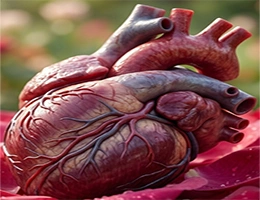
Heart bypass surgery, which is known as Coronary Artery Bypass Grafting (CABG), is performed when the heart arteries are narrowed or blocked. Typically, this caused by accumulation of fat, cholesterol, or other materials in heart.
In this condition, heart does not receive an insufficient supply of blood and oxygen, which can lead to chest pain or higher risk of heart attack.
The main objective of this surgery, is to create a secondary path for narrowed arteries, so that blood can flow to the heart without obstruction. For this procedure, surgeon takes a healthy blood vessel from leg, arm, or chest and connects it to the damaged artery of the heart, that allow proper blood supply to the heart.
This surgery is being performed under general anesthesia. During the procedure, patient’s chest is opened, in some cases, heart is temporarily stopped as heart-lung machine maintains blood circulation.
After surgery, patient transferred to the intensive care unit for few days for close monitoring and care. there healthcare professionals keep a close eye on vital signs, manage pain effectively, and address any complications that may arise.
The ICU is equipped with advanced technology, designed to provide critical support and better monitoring. Nurses and doctors work around the clock to assess the patient’s condition, administer medications, and perform routine checks. This level of attention helps to reassure both the patients and their families, that every necessary step is being taken for fast healing and recovery.
After spending few days in ICU, patients are typically stabilized, and may be transferred to a regular hospital room for ongoing recovery. This shift marks a positive step towards regaining health as they continue to recover from surgery.
Although, this is a major surgery, but its success rate is quite high, especially when performed by experienced surgeons. This surgery reduces chest pain and lowers the risk of heart attack, and improves the quality of life.
To prevent heart disease, it is necessary to adopt a healthy lifestyle, which includes a balanced diet, regular exercise, avoiding smoking, and regular medical check-ups.
India is a preferred destination for the heart bypass surgery, due to combination of experienced surgeons and advanced medical care, as well as cost-effective treatment options.
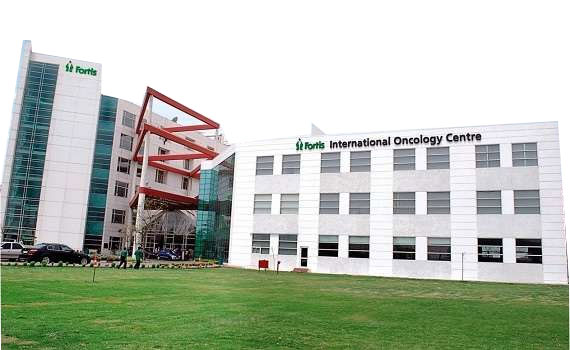
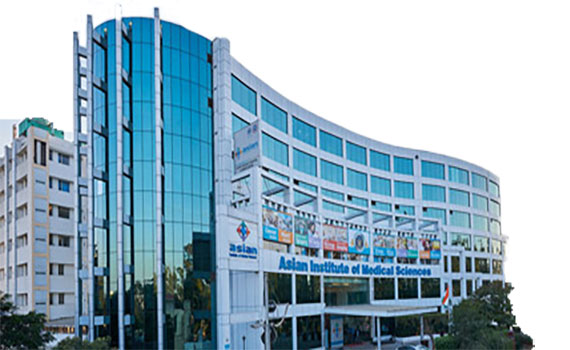
Hospitals are accredited by global organizations, equipped with the state-of-the-art technology, modern operation theatres, and advanced diagnostic facilities, that ensure quality and reliability. Doctors are trained in reputed institutions worldwide, and known for high success rates.
Another factor is, minimal waiting time, while in many countries patients have to wait weeks or months for surgery. Despite we provide comprehensive care to international patients, including medical visa assistance, language interpreter and personalized care coordinator during your medical trip to India.
Another major advantage is, availability of highly skilled doctors and healthcare specialists, who are trained at prestigious institutions around the world, and due to high volume of patients in India, doctors often gain exposure to a wide variety of case, including complex conditions. That enhances their diagnostic accuracy and surgical expertise, enabling them to handle even the most challenging medical conditions with confidence.
Many surgeons are also trained in cutting-edge techniques such as robotic surgery and laparoscopic procedures, which result in faster recovery times, less pain, and reduced hospital stays for patients. They take time to understand each patient’s condition, explain treatment options clearly, and involve patients and their families in decision-making. This personalized care builds trust and helps patients feel more comfortable, especially those traveling from abroad.
Indian doctors regularly participate in international conferences, workshops, and research activities to stay updated with the latest advancements in medical science. Many of them have published research papers in reputed global journals, contributing to innovation and evidence-based practices in healthcare.
Patients from across the globe choose Indian hospitals for this life-saving surgery due to a combination of expertise, advanced technology, affordability, patient-centered care, and highly experienced cardiac surgeons. Many specialists are trained in India, and practiced globally at recognized institutions, bring decades of experience in performing complex heart surgeries. Hospitals, have dedicated cardiac teams, including anesthesiologists, intensivists, and rehabilitation experts, ensuring comprehensive care at every stage.
Another key advantage is the availability of world-class infrastructure and technology. Leading Indian hospitals are equipped with modern operation theatres, advanced imaging systems, and cutting-edge techniques such as minimally invasive and robotic-assisted heart surgery. These innovations reduce surgical trauma, minimize complications, and promote faster recovery compared to traditional methods.
Heart bypass surgery — formally called Coronary Artery Bypass Grafting (CABG) — is performed when heart arteries are narrowed or blocked, typically due to a build-up of fat, cholesterol, or other materials. A surgeon takes a healthy blood vessel from the leg, arm, or chest and uses it to create an alternate route around the blocked artery, restoring proper blood flow to the heart.
When heart arteries are narrowed or blocked, the heart does not receive a sufficient supply of blood and oxygen. This can lead to chest pain (angina) and a significantly higher risk of heart attack. Bypass surgery restores proper blood supply and reduces these risks.
The surgery is performed under general anesthesia. The surgeon opens the chest to access the heart. In some cases the heart is temporarily stopped, and a heart-lung machine takes over to maintain blood circulation during the procedure. A healthy blood vessel is then harvested and grafted to bypass the blocked coronary artery.
After surgery, the patient is transferred to the Intensive Care Unit (ICU) for close monitoring for a few days. Healthcare professionals monitor vital signs around the clock, manage pain, administer medications, and address any complications. Advanced ICU technology provides critical support throughout this period.
Patients typically spend a few days in the ICU before being stabilized and transferred to a regular hospital room for continued recovery. The total hospital stay varies depending on the patient’s condition and how smoothly recovery progresses.
Although it is a major surgery, the success rate is quite high — especially when performed by experienced surgeons. Key benefits include relief from chest pain, a lower risk of heart attack, and an overall improved quality of life.
Adopting a healthy lifestyle is essential to preventing recurrence. This includes eating a balanced diet, exercising regularly, avoiding smoking, and attending regular medical check-ups to monitor heart health over the long term.
India combines experienced cardiac surgeons, world-class hospital infrastructure, advanced technology, and significantly lower costs compared to many other countries. Hospitals accredited by global organizations offer state-of-the-art operation theatres, modern diagnostic facilities, and minimal waiting times — making India a highly attractive destination for international patients.
Leading Indian hospitals offer advanced techniques including minimally invasive surgery and robotic-assisted heart surgery. These approaches result in less surgical trauma, fewer complications, faster recovery, and shorter hospital stays compared to traditional open-heart methods.
Hospitals in India provide comprehensive care for international patients, including medical visa assistance, language interpretation services, and personalized care coordinators to guide patients and their families throughout the entire medical journey.


Share with us medical report and explain patient's health condition.
We will share with you doctor's opinion and treatment plan within 24 hours.
On agreed, we will send you visa invitation letter from hospital to get a visa.
Book your flight ticket and share flight itinerary with us to pick-up you from Airport.
We provide complete coordination and translation at every step of your treatment journey.
We drop you off at Airport and stay in touch with you to follow up.