About Dermatology/ Skin Treatment
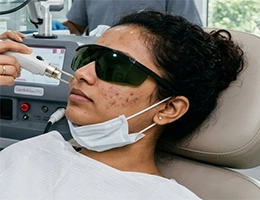
Dermatology is a field of medicine that targets the diagnosis and treatment of skin disorders. It plays a key role in managing a variety of conditions, from acne and eczema to more serious ailments like psoriasis and skin cancer. Dermatologists understand the complexities of the skin, hair, and nails, as well as how these elements interact with overall health. Their expertise allows them to offer tailored treatment plans that can include skin-applied creams, oral medications, and advanced procedures such as laser therapy or dermatologic surgery.
Skin treatment options widely differ based on the specific condition being treated. For common issues like acne, dermatologists often recommend a combination of over-the-counter products, prescription medications, and lifestyle changes to effectively reduce skin reactions. Treatments for chronic conditions, such as eczema or psoriasis, might include surface-applied steroids or immunomodulators to relieve inflammation. In many cases, dermatologists also emphasize the importance of good skincare routines and sun protection, which are important for maintaining healthy skin and preventing further complications.
Many people seek dermatological care not just for medical reasons but also for cosmetic purposes. Procedures such as chemical peels, microdermabrasion, and fillers can help improve the skin’s appearance and promote a youthful look. As technology continues to advance, dermatology offers a range of innovative solutions to deal with aesthetic concerns while ensuring safety and efficiency. Whether for medical or cosmetic reasons, skin treatment is an essential aspect of dermatology that aims to enhance appearance and skin health.
Common causes of skin disorders?
Skin problems can be a irritant, affecting people of all ages and origins. One common cause is pimples, which often occurs during teenage years when hormone levels fluctuate. These hormonal changes can lead to an increase in oil production, resulting in blocked skin pores and skin reactions. Stress can also play a significant role, as it may trigger the body to produce more hormones that can worsen acne and other skin issues.
Another factor contributing to various skin conditions is improper skincare. Many individuals may use products that do not suit their skin type or may overload their skin with too many treatments. For example, excessive exfoliation can strip the skin of its natural oils, leading to irritation and dryness. Additionally, neglecting to apply sunscreen can leave the skin vulnerable to sun damage, which can cause premature aging and even skin cancer.
Environmental factors also play a crucial role in skin health. Pollution, extreme weather conditions, and allergens can lead to skin irritation and conditions such as eczema or facial skin disorder. It’s important to be mindful of your surroundings and make conscious choices regarding your skincare routine. By understanding the common causes of skin problems, you can take proactive steps to care for your skin and maintain a healthy skin condition.
Which conditions are treated by a dermatologist?
Dermatologists are specializing in conditions related to the skin, hair, and nails. They treat a wide range of diseases, including acne, psoriasis, eczema, and rosacea. Acne is one of the most common issues of young adults face, often leading to scarring if left untreated. Dermatologists offer various treatments, from applied creams to advanced laser therapies, to help clear up the skin.
Dermatologists also treat chronic skin diseases like psoriasis, which causes red, scaly patches on the skin, and eczema, characterized by itchy, inflamed skin. These conditions can significantly impact a person’s quality of life, making it essential to seek professional help. Dermatologists can provide effective management strategies, including medication and lifestyle modifications, to relieve symptoms.
Furthermore, dermatologists play a important role in diagnosing and treating skin cancer, which can be life-threatening if not caught early. They conduct skin examinations and biopsies to detect malignant lesions and create customized treatment plans for individual patients. By treating a diverse array of conditions, dermatologists help patients achieve healthier skin and improve their overall well-being.
Signs and symptoms of dermatological problems?
When it relates to dermatological problems, recognizing the signs and symptoms is essential for early intervention and treatment. Some common signs include redness, swelling, and irritation of the skin. These symptoms often indicate conditions like eczema, skin inflammation, or an allergic reaction. If you notice dry or flaky patches, these could suggest issues like psoriasis or fungal infections. It’s essential to pay attention to changes in your skin’s texture and color, as these alterations can signal underlying health concerns.
Another apparent symptom is the presence of rashes or nodules on the skin. These can vary in size and shape, ranging from small raised patches to larger raised marks, and may be itchy or painful. In some cases, skin bubbles or sores can develop, potentially leading to infection if not taken care of properly. Always remember that persistent or worsening symptoms should prompt a visit to a healthcare professional to get an accurate diagnosis and appropriate treatment.
Additionally, some dermatological issues can come with systemic symptoms, such as fever or fatigue. If you find yourself experiencing these alongside skin changes, it may indicate an infection or an autoimmune condition. Maintaining a careful awareness of any alterations occurring on your skin can help you take proactive steps towards your health. Regular skin checks and understanding common dermatological signs can empower individuals to seek the help they need for effective management and relief.
Benefits of early intervention
Early intervention refers to the process of identifying and managing growth-related issues as soon as they are detected. One of the most significant benefits of early intervention is that it can lead to improved long-term outcomes for children. Research has shown that dealing with concerns like speech delays, behavioral issues, or learning disabilities early can greatly enhance a child’s educational experiences and social interactions. By receiving support early in children are often better to develop essential skills, building a solid foundation for their future.
Another key advantage of early intervention is the emotional and psychological support it provides, not just for children but also for their families. Early identification of growth challenges can help parents understand their child’s needs and reduce anxiety about uncertain behaviors. Families can access resources, support groups, and educational materials that can empower them and provide practical strategies to assist their child’s growth. This shared journey of learning and adapting can strengthen familial bonds and help encourage a positive environment supportive to development.
Moreover, early intervention can lead to significant cost savings in the long run. When progress-related issues are treated promptly, the need for more intensive services later on is often reduced. This not only relieves stress on education and healthcare systems but also enables families to manage their resources more effectively. Investing in early intervention can create a growing effect, contributing to healthier communities and ensuring that children have the necessary support to succeed.
Why choose India for Dermatology Treatment?
Choosing India for dermatology treatment is a decision that many people are deciding due to the country’s combination of quality healthcare, experienced specialists, and affordability. India boasts a well-developed healthcare system that includes advanced dermatological clinics and hospitals equipped with the latest technology and treatment options. Many Indian dermatologists have received training from prestigious institutions locally and internationally, offering patients access to top-notch care.
Quality care and affordability is another significant factor that attracts international patients to India for dermatology treatments. The cost of procedures in India can be considerably lower than in Western countries, which means that individuals can receive high-quality treatment without burdening the budget. For instance, cosmetic procedures such as laser treatments, facelifts, or acne scar revision can be up to 70% cheaper in India. This affordability does not compromise the quality, as treatments are often performed with the same standards as those in more developed countries.
Furthermore, the holistic approach to healthcare in India often includes not just medical treatment but also wellness and preventive care. Many clinics offer personalized treatment plans that consider the patient’s overall health and lifestyle, leading to better outcomes. The combination of skilled professionals, affordable pricing, and a comprehensive approach makes India a preferred destination for those seeking effective dermatology treatments. Whether you’re looking for surgical solutions or cosmetic enhancements, India has much to offer in the field of dermatology.
Types of Skin Conditions Requiring Treatment?
Skin conditions can affect anyone at any age, and they often require proper treatment to prevent further complications. One common type of skin condition is acne, which typically affects teenagers but can also persist into adulthood. Acne occurs when hair roots get blocked with oil and dead skin cells, leading to pimples, blackheads, and cysts. Treatments differ from over-the-counter skin-applied medications to prescription treatments, depending on the severity of the condition.
Another category of skin problems includes eczema and psoriasis, which are chronic inflammatory conditions. Eczema results in itchy, red, and inflamed skin, while psoriasis leads to thick, scaly patches that can be uncomfortable and embarrassing. Both conditions can cause considerable distress, so managing them with appropriate moisturizers, topical steroids, or advanced therapies is essential for relief and quality of life.
Finally, there are infectious skin conditions, such as fungal infections or bacterial skin infections. Conditions like fungal foot infection or bacterial skin infection require medical attention and often involve prescription antifungal or antibiotic medications to eradicate the infection effectively. Identifying and treating these skin conditions promptly is crucial, as ignoring them can lead to more serious health issues down the line.
Frequently Asked Questions About dermatology treatment
What is dermatology?
Dermatology is a field of medicine focused on diagnosing and treating conditions of the skin, hair, and nails. Dermatologists offer tailored treatment plans ranging from topical creams and oral medications to advanced procedures like laser therapy and dermatologic surgery.
What conditions does a dermatologist treat?
Dermatologists treat a wide range of conditions including acne, psoriasis, eczema, rosacea, fungal infections, bacterial skin infections, and skin cancer. They also manage chronic skin diseases and conduct skin examinations and biopsies for early cancer detection.
What are common causes of skin disorders?
Common causes include hormonal fluctuations (especially during teenage years), stress, improper skincare routines, overuse of harsh products, neglecting sunscreen, and environmental factors such as pollution, extreme weather, and allergens.
What are the signs and symptoms of dermatological problems?
Common signs include redness, swelling, itching, dryness or flaky patches, rashes, nodules, blisters, and sores. Some conditions may also present with systemic symptoms like fever or fatigue, which can indicate an infection or autoimmune condition.
Why should I choose India for dermatology treatment?
India offers a combination of experienced specialists, advanced clinics equipped with the latest technology, and significantly lower costs. Cosmetic and medical procedures can be up to 70% cheaper than in Western countries, without compromising on quality. Many Indian dermatologists are trained at prestigious institutions locally and internationally.
How affordable is dermatology treatment in India?
Treatment costs in India are considerably lower than in Western countries. For example, procedures like laser treatments, acne scar revision, and facelifts can cost up to 70% less, making high-quality care accessible without straining your budget.
What skin conditions require professional treatment?
Conditions requiring professional care include acne (especially severe or scarring cases), chronic inflammatory conditions like eczema and psoriasis, infectious skin conditions such as fungal and bacterial infections, and any suspicious skin lesions that could indicate skin cancer.
What are the benefits of seeking early dermatological care?
Early intervention helps prevent worsening of conditions, reduces the risk of scarring or complications, and often leads to simpler, more cost-effective treatments. Identifying issues early — especially skin cancer — can be life-saving.
What does dermatology treatment in India typically involve?
Indian dermatologists offer personalised treatment plans that consider the patient’s overall health and lifestyle. This holistic approach includes medical treatment, wellness guidance, preventive care, and both surgical and cosmetic solutions.
Are cosmetic dermatology procedures available in India?
Yes. India offers a wide range of cosmetic procedures including chemical peels, microdermabrasion, laser therapy, fillers, and acne scar revision — all performed to international standards at a fraction of the cost found in Western countries.