









1
Share Your
Medical Report
Share with us medical report and explain patient's health condition.
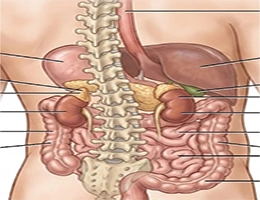
Gastrointestinal surgery, focuses on treating conditions affecting the digestive system, which includes esophagus, stomach, intestines, liver, pancreas, and gallbladder. Surgeons perform procedures to address various issues such as tumors, obstructions, ulcers, and other diseases disrupt normal digestive functions. Some common types of gastrointestinal surgeries include appendectomies, cholecystectomies (gallbladder removal), and resections of the small or large intestine.
These surgeries can be performed using traditional or minimally invasive laparoscopic methods, the choice of procedure depends on the patient’s specific condition being treated, his overall health, and the surgeon’s expertise. Advanced surgical techniques improve patient’s outcomes greatly, allowing many individuals to recover more quickly and with less pain.
It’s important for patients to understand the risks and benefits of gastrointestinal surgery. Pre-operative consultations provide him an opportunity to discuss concerns, ask questions, and gain insights about his expectation before and after surgery. With the right medical guidance, patients can choose his treatment options effectively and work towards better digestive health.
Remarkable advancements have been in Gastrointestinal (GI) surgery in recent years, enhancing patient outcomes and recovery times. like minimally invasive techniques, such as laparoscopic and robotic-assisted surgery. These methods allow surgeons to perform complex operations through smaller incisions, resulting in less pain, reduced scarring, and shorter hospital stays for patients.
Another notable advancement is the use of enhanced recovery protocols(ERAS) after surgery, which focus on optimizing patient care before, during, and after the surgical procedure. These guidelines emphasize a multidisciplinary approach, such as preoperative education, pain management strategies, and early mobilization post-surgery. As a result, many patients experience faster recoveries and can return to their daily activities sooner than before.
There have been major developments in imaging technologies, and preoperative planning tools also, such as advanced endoscopic and 3D imaging help surgeons better visualize the GI tract and surrounding organs. This advanced imaging allows for more precise planning and execution of surgeries, improving the chance of successful outcomes.
GI oncology and bariatric surgery are two areas of gastrointestinal tract and obesity, respectively. its focuses on diagnosis and treatment of cancers affecting organs such as the esophagus, stomach, liver, and pancreas. Bariatric surgery is aimed to help individuals achieve significant weight loss through various procedures, such as gastric bypass and sleeve gastrectomy. Both fields can be the risk factor for developing several types of GI cancers.
Both, obesity and GI cancers explore the potential benefits of bariatric surgery for patients at high risk for these malignancies. Studies have shown that achieving weight loss through bariatric procedures can lead to a decreased risk of certain cancers, improved overall health outcomes, and enhanced survival rates. Those patients who already diagnosed with GI cancer, weight management becomes an essential part of the treatment plan, as it can affect their eligibility for surgery, chemotherapy, and other therapeutic options.
One common type is the laparoscopic cholecystectomy, which involves removing the gallbladder using small incisions. This minimally invasive approach has gained popularity due to its quick recovery time and reduced pain compared to traditional open surgery.
Another significant type of GI surgery is gastric bypass, used in the treatment of obesity. During this procedure, the stomach is divided into a smaller pouch, then connected directly to the small intestine. This alteration not only reduces food intake but also alters the digestion process, making it a powerful tool for weight loss and improving related health conditions, such as diabetes.
Lastly, colectomy is a surgery focused on removing part or all of the colon. This procedure can be necessary due to se several conditions, like cancer, inflammatory bowel disease, or diverticulitis. Depending on the extent of the disease, surgeons may perform a partial colectomy or a total colectomy, connecting the remaining sections of the digestive tract to maintain function.
Postoperative care and recovery are crucial steps in ensuring a successful return to health after surgery. Once the surgical procedure is complete, patient is typically moved to a recovery room where medical staff monitors his/her vital signs, manages pain, and observes for any potential complications. It’s essential for patients to communicate openly about his pain and any discomfort he may experience. This helps doctors and staffs to manage pain effectively.
As patients transition from the recovery room to room or home, they should be aware of the specific postoperative instructions given by their surgeons. These instructions often include guidelines on medications, activity restrictions, and signs to watch for that may indicate complications. Maintaining a balanced diet, staying hydrated, and following prescribed medication schedules can significantly enhance recovery.
Monitoring progress during the recovery period is equally important. Patients should attend follow-up appointments and report any unusual symptoms, such as excessive swelling or persistent pain, to their healthcare provider. Gentle physical activity, as approved by the surgeon, can aid in regaining strength and mobility.
The future of gastrointestinal (GI) surgery in India looks promising, with several advancements on the horizon. As the healthcare system continues to evolve, there is an increasing focus on minimally invasive techniques. Surgeons are adopting laparoscopic methods more extensively, which not only reduce recovery time for patients but also lead to fewer complications and shorter hospital stays.
Technology is playing a crucial role in the evolution of GI surgery in India. The integration of robotics and artificial intelligence is gaining traction, enabling surgeons to perform complex procedures with enhanced precision and control. As healthcare facilities upgrade their equipment and procedures, the quality of care provided to patients is expected to improve significantly.
More people recognize the importance of early diagnosis and treatment, there is a growing emphasis on preventive healthcare. This can lead to timely interventions and better patient outcomes. With a blend of advanced surgical techniques, innovative technology, and a rising awareness, the landscape of GI surgery in India is set to transform, providing better health solutions for countless individuals.
India has emerged as a leading destination for patients seeking high-quality medical care at affordable prices. Healthcare in India is considerably cheaper than in many Western countries, yet it does not compromise on the quality of care. Patients can save a substantial amount on their medical bills while still receiving top-notch treatment from well-trained and experienced gastroenterologists.
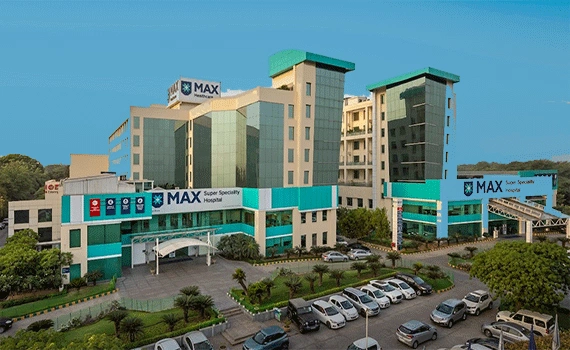
Another compelling reason to choose India for gastroenterology surgery is the advanced medical technology and facilities available in the country. Many hospitals in India are equipped with state-of-the-art technology comparable to that found in leading medical facilities around the world. Additionally, several hospitals have received international accreditations, assuring patients that the standard of care meets global benchmarks.
Lastly, the warm and welcoming culture in India adds to the overall experience for medical tourists. Patients can expect a personalized approach to care, with doctors and staff dedicated to ensuring a smooth journey from diagnosis to recovery. Furthermore, India offers a rich blend of tradition and modernity, allowing patients the opportunity to explore and enjoy the country’s diverse culture and cuisines during their medical visit.
Share with us medical report and explain patient's health condition.
We will share with you doctor's opinion and treatment plan within 24 hours.
On agreed, we will send you visa invitation letter from hospital to get a visa.
Book your flight ticket and share flight itinerary with us to pick-up you from Airport.
We provide complete coordination and translation at every step of your treatment journey.
We drop you off at Airport and stay in touch with you to follow up.