










1
Share Your
Medical Report
Share with us medical report and explain patient's health condition.
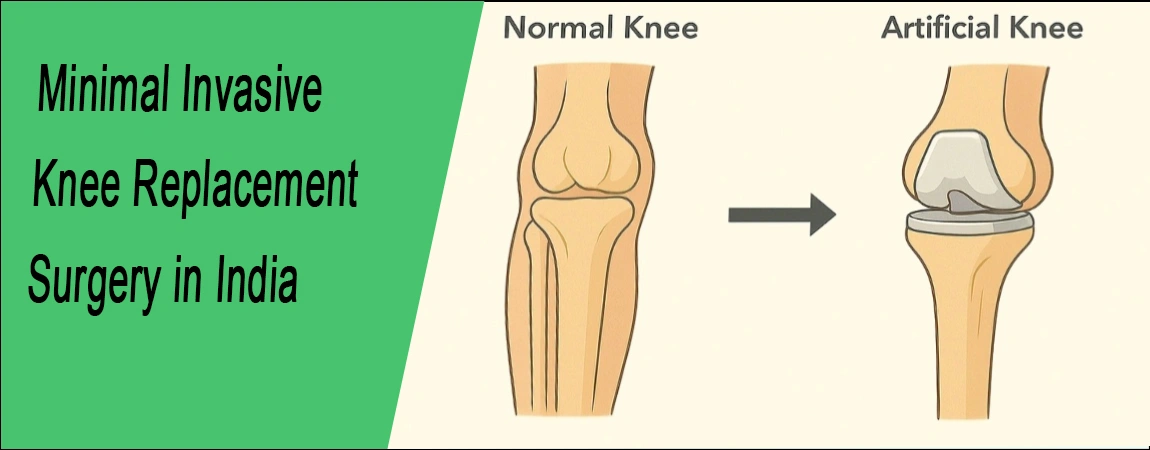
Knee replacement surgery is a surgical procedure in which the damaged parts of the knee joint are removed and replaced with a high-quality artificial implant. This operation is typically recommended for patients suffering from severe knee pain due to arthritis or cartilage degeneration, osteoarthritis, and rheumatoid arthritis, which restricts their ability to move and perform daily activities.
This surgery aims to significantly relieve pain, improve joint function, and restore the ability to walk and move normally. During the procedure, the surgeon removes the damaged surfaces of the knee joint and replaces them with metal and plastic components. After the operation, the patient requires an intensive physical therapy program for complete recovery and restoration of muscle strength and flexibility in the knee.
Open Knee Replacement Surgery: A surgical procedure in which the damaged parts of the knee joint are removed and replaced through a large incision in the knee to place the implant, resulting in a long recovery period for patients undergoing knee replacement surgery.
This surgery has a high success rate of up to 95%, helping most patients return to their daily activities with less pain and better mobility. However, like any major surgery, it carries some risks such as infection and blood clots, so the benefits and risks should be discussed with the doctor before making a decision.
Minimally Invasive Knee Replacement: A modern technique that aims to achieve the same results as traditional surgery but through a smaller surgical incision. This technique preserves the muscles and tendons surrounding the knee as much as possible by working between them rather than cutting through them, which reduces tissue damage and accelerates the recovery process.
This surgery requires high skill and experience from the surgeon, as they work through a limited field of vision using specialized and precise surgical instruments. Among the most important advantages of this procedure are reduced postoperative pain, less blood loss, shorter hospital stay, and the ability to return to daily activities faster compared to open surgery. Most patients can walk on the same day of surgery or the next day and require a shorter rehabilitation period to achieve full knee mobility.
This advanced technique uses a robotic-assisted system to achieve superior precision in positioning the artificial joint, representing a significant leap in orthopedic surgery. The robotic system creates a three-dimensional model of the patient’s knee before surgery using CT scans, allowing surgeons to precisely plan each component’s position and angle to suit the patient’s unique anatomy.
During the operation, the robot acts as an assistive tool for the surgeon, helping them execute the surgical plan with millimeter precision. The surgeon controls the robotic arm, which limits its movement within the pre-planned area, preventing errors in bone cutting or implant placement. This ensures perfect alignment of the new joint and optimal positioning for long-term function.
The benefits of this technique prove substantial and measurable. Improved ligament balance around the knee enhances stability and natural movement patterns throughout recovery. Reduced damage to healthy tissue minimizes trauma and accelerates healing after surgery. The artificial joint’s projected lifespan increases significantly due to installation precision and optimal alignment.
Knee replacement surgery is recommended when there are severe arthritis and chronic pain that does not respond to treatment, reduced mobility that affects daily activities such as walking or climbing stairs, rheumatoid arthritis, or severe knee injuries that cause permanent damage. In such cases listed above, it is advisable to use anti-inflammatory medications and physical therapy, use crutches or braces, cortisone injections, or weight loss. Age may be over 50 years, and your sleep and health are affected by pain.
Knee replacement surgery is performed to relieve severe pain, improve mobility, and restore the ability to perform daily tasks in patients suffering from advanced joint damage, osteoarthritis, and rheumatoid arthritis, often due to arthritis or chronic injuries. Doctors usually recommend knee replacement surgery after the failure of other treatments and physical therapy. During the procedure, the damaged parts of the bones and cartilage are removed and replaced with high-quality artificial components. This surgery helps restore joint function and enables the patient to perform daily activities normally without pain. The ultimate goal is to improve the patient’s quality of life and return them to an active and independent lifestyle
Using a local cooling device to reduce swelling and inflammation in the knee.
Beginning physical therapy on the same day of surgery or the following day, where the therapist helps the patient sit, stand, and take simple steps using a walker or crutches.
The wound must be kept clean and dry, and monitored for any signs of infection such as severe redness, discharge, or fever, with stitches needing to be removed after approximately two weeks.
Using prescribed medications and ice to reduce swelling, and to prevent dangerous blood clots, the patient is given anticoagulant medications and advised to wear compression stockings and move the feet regularly.
Regular follow-up with the surgeon is necessary to ensure the artificial joint is functioning properly.
After knee replacement surgery, the patient is advised to take rest periods to reduce swelling and improve blood circulation. This helps relieve pressure and allows tissues to heal, achieving the best recovery results and reducing pain and inflammation naturally and effectively.
Choosing the right surgeon: Ensure you select a skilled orthopedic surgeon with extensive experience and high competence in surgeries.
Adhering to preoperative instructions: Follow all medical guidelines, including stopping certain medications when necessary.
Using assistive devices during movement: Relying on crutches or a walker and walking with support reduces the risk of falling.
Maintaining nutrition and hydration: Following a healthy and balanced diet with adequate fluid intake promotes faster recovery.
Post-surgical follow-up: Make sure to attend all follow-up appointments and follow the prescribed physical therapy plan.
Early detection of any complications: Early detection and immediate medical intervention reduce the likelihood of long-term complications, so inform your healthcare provider immediately about any abnormal signs such as redness, swelling, increased pain, or fever.
Pain Relief: One of the most prominent direct benefits is the significant relief of chronic knee pain through medication and modern medical interventions, where the patient feels a clear improvement. This pain relief allows the patient to regain a more comfortable and active lifestyle and enhances the ability to perform daily activities better.
Improved Mobility: After the recovery phase, the patient is able to walk and move with greater comfort, can walk long distances without pain, and climb stairs more easily. Daily activities—such as standing for long periods, getting up from a chair, getting dressed, or even taking a leisurely walk—become easier and less exhausting, giving them a clear sense of improvement in their quality of life and independence in movement.
Restoration of Quality of Life: After knee replacement surgery, the patient feels a significantly improvement in their quality of life. Their ability to move and walk with confidence and stability improves, and they become able to perform daily tasks without fatigue or dependence on others. With the restoration of freedom of movement, the patient returns to practicing their favorite activities and social integration naturally, which positively reflects on their mental state, giving them a sense of comfort, satisfaction, and the ability to enjoy life again.
Knee replacement surgery is not permanently painful and is treatable, thanks to advances in anesthesia techniques and modern pain relievers. During the surgery, the patient does not feel any pain because the operation is performed under anesthesia. Minor pain may appear in the first few days as a result of tissue healing and movement of the new joint. However, with the use of strong painkillers, the pain is relieved. Most patients notice a clear decrease in pain with the start of physical therapy, and after two to three months, the surgical pain disappears completely.
Knee replacement surgery is considered one of the most successful surgical operations, with a success rate reaching 99 percent, with a noticeable improvement in quality of life and pain reduction. Success factors depend on the patient’s general health, the surgeon’s skill, and the patient’s commitment to physical therapy after the operation. Modern techniques such as robotic surgery reduce pain and facilitate recovery, increasing the chances of success. Despite the rarity of operation failure, attention must be paid to potential complications such as infection or loosening of the artificial joint.
Patient can walk with a walker or crutches within 24 hours of surgery. Physical therapy sessions start on the first day after the operation, helping patients rebuild strength and mobility from the outset. Most patients walk normally within six weeks, though full improvement in movement and strength may continue for 3-6 months, depending on their commitment to treatment and medical follow-up. Complete healing may take up to a year, but daily life gradually returns to normal after the first two months with reduced pain and increased knee flexibility.
Knee replacement surgery for the elderly is a common and effective surgical procedure to relieve pain and improve mobility, even for those over eighty. Safety depends on the patient’s general health condition, and modern techniques such as robotic surgery and advanced anesthesia reduce complications and facilitate recovery. The health condition must be accurately assessed before surgery to ensure the best results and avoid risks.
Share with us medical report and explain patient's health condition.
We will share with you doctor's opinion and treatment plan within 24 hours.
On agreed, we will send you visa invitation letter from hospital to get a visa.
Book your flight ticket and share flight itinerary with us to pick-up you from Airport.
We provide complete coordination and translation at every step of your treatment journey.
We drop you off at Airport and stay in touch with you to follow up.