











1
Share Your
Medical Report
Share with us medical report and explain patient's health condition.
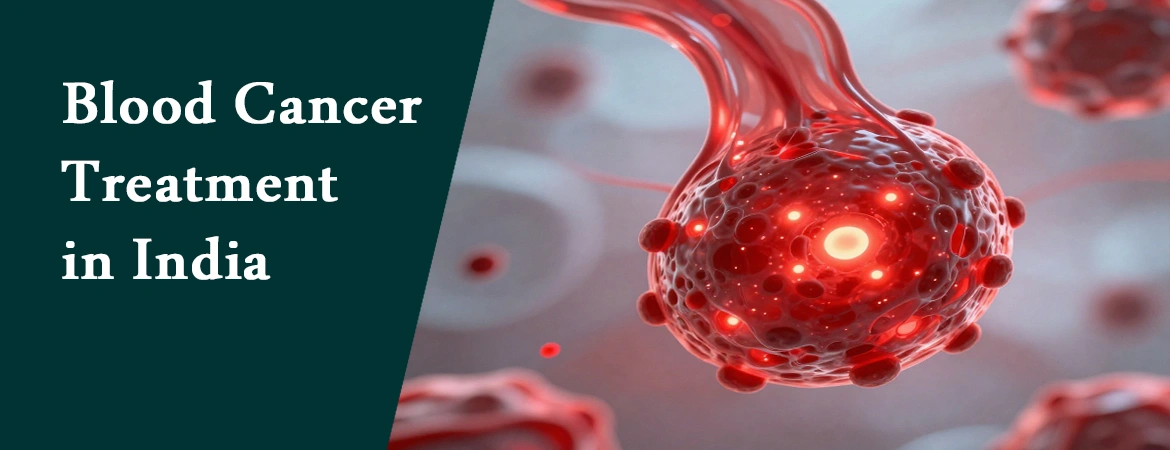
Blood cancer, that affects bone marrow. Its treatment has significantly advanced in India. That increase survival rates and improved patient outcomes. Common types of blood cancer include leukemia, lymphoma, and myeloma, each require tailored approaches to treatment. Patients can access a range of therapies, including chemotherapy, radiation, targeted therapy, and stem cell transplants.
India boasts modern facilities and provides comprehensive care for blood cancer patients. Many Hospitals in major cities, such as Mumbai, Delhi, and Bangalore, are equipped with state-of-the-art technology and skilled doctors.
Common symptoms can vary, many individuals experience fatigue, frequent infections, and bruising or bleeding. Other signs may include swollen lymph nodes, fever, night sweats, and weight loss. If these symptoms persist, it’s crucial to consult a healthcare provider for a proper diagnosis and treatment plan.
The causes of blood cancer are not fully understood, but researchers have identified various genetic and environmental factors that may cause to its development. Certain genetic mutations can make cells grow uncontrollably, leading to cancer. Additionally, prolonged exposure to toxic chemicals, radiation, or certain viruses may increase the risk of developing blood cancers like leukemia, lymphoma, or multiple myeloma.
Several factors can develop blood cancer. as many cases occur in children and in adults as well. A family history of blood cancer can also develop risk factor. Other risk factors include a weakened immune system, previous exposure to chemotherapy or radiation treatment.
Blood cancer treatment is typically required when a patient has been diagnosed with conditions such as leukemia, lymphoma, or multiple myeloma. These cancers affect the blood cells, bone marrow, and lymphatic system, and symptoms can vary widely from patient to patient. Common signs that may necessitate treatment include persistent fatigue, unusual bruising or bleeding, frequent infections, swollen lymph nodes, and unexplained weight loss. When these symptoms arise, doctors often do various tests, including blood tests and biopsies, to confirm a diagnosis and assess the severity of the condition.
Once diagnosed, the decision to pursue treatment depends on several factors, like type of blood cancer, its stage, and the overall health condition of the patient. Various treatment options are available, for instance chemotherapy, radiation therapy, targeted therapies and stem cell transplants. Some patients might require immediate treatment, especially if their cancer is aggressive or has progressed to an advanced stage.
Ultimately, the guidance of medical professionals is essential in determining the timing and type of treatment for blood cancer. Oncologists often develop personalized treatment plans tailored to each patient’s specific needs, taking into consideration their preferences, lifestyle, and any potential side effects. Early detection and timely intervention can improve the prognosis for those battling blood cancer, making it crucial for anyone experiencing concerned symptoms to seek medical advice as soon as possible.
Life after blood cancer treatment can be a transformative experience filled with new beginnings. physical healing and emotional adjustment. While many gradually return to their daily activities. This period can be a time to rediscover hobbies, reconnect with friends, and embrace a healthier lifestyle that supports long-term wellness.
Emotional well-being plays a significant role in life after treatment, Support systems, including family, friends, and group support, can be invaluable during this time, and can help alleviate some of the emotional burden. It’s essential to acknowledge the feelings and seek out resources that can foster mental health and resilience.
Many survivors find new perspectives and priorities. Fighting cancer often leads to a greater appreciation for life and a desire to live life to the fullest.
Blood cancer treatment is essential for individuals diagnosed with various types of blood cancers, such as leukemia, lymphoma, and multiple myeloma. People experiencing symptoms like fatigue, unexplained bruising, frequent infections, or swollen lymph nodes may be urged to seek medical attention. Early detection and proper treatment can significantly improve outcomes.
It’s important to recognize that patients at any age and from any background can be affected by blood cancer. Community support, and awareness campaigns, can help for new therapies and treatments, ultimately improving the quality of life for those battling these diseases. Raising awareness about who needs blood cancer treatment encourages early detection, advances in treatment options, and a stronger support network for patients and their families.
Post-treatment recovery is a crucial phase for anyone who has undergone a bone marrow transplant procedure. This period allows body to heal and adjust after the treatment. Patients are usually given specific instructions regarding health management, infection care, and physical activity to ensure a smooth recovery. It’s essential in preventing complications and managing over all health issue.
Follow-up appointments are an integral part of the recovery process. These visits give doctors opportunity to monitor the patient’s healing progress and address any concerns that may arise. doctors may conduct physical examinations, order tests, or even adjust medication if necessary. It’s important for patients to talk to doctor openly about their symptoms or any side effects they may be experiencing, as this feedback can be vital for their ongoing care, and lead to better long-term outcomes.
Blood cancer treatment improve the quality of life for patients affected by this challenging illness. One of the primary advantages is, cancer cells are reduced or eliminated, that allow patients to enjoy better health. Treatments such as chemotherapy, radiation, and targeted therapies are designed to combat the cancer effectively, increasing the chances of recovery and prolonging life.
Effective blood cancer treatment not only aims to fight cancer but also alleviate symptoms associated with the disease. With proper treatment, major symptoms can be managed, that lead to improve daily functioning and overall well-being. While supportive care options and treatments can enhance comfort, enable patients to engage in their usual activities.
T-cell blood cancer, also known as T-cell leukemia or lymphoma, is a type of cancer that affects the body’s immune system. In India, advancements in T-cell blood cancer treatment have gained attention for its effectiveness and innovation. One of the advanced method is the use of targeted therapies that specifically attack cancerous T-cells while minimizing damage to healthy cells. This allows patients to experience fewer side effects compared to traditional chemotherapy.
In addition to targeted therapies, stem cell transplant has become a effective option for many patients diagnosed with T-cell blood cancer. This procedure involves replacing diseased or damaged bone marrow with healthy stem cells, which can help restore the body’s ability to produce normal blood cells. Many cancer treatment centers across the country, are equipped with the necessary technology and have great team to perform these complex procedures.
India has witnessed a growing number of clinical trials focusing new treatment modalities., including CAR T-cell therapy. This innovative treatment reprograms a patient’s own T-cells to better attack cancer cells. With a strong focus on research and advancements in cancer care, patients in India now have access to wide range and effective treatment options for T-cell blood cancer, improving their chances of recovery and overall quality of life.
India has emerged as a Preferred destination for patients from around the world. One of the key reasons to consider India is, the availability of advanced medical technology and a variety of treatment options. Indian hospitals are equipped with state-of-the-art facilities that offer cutting-edge therapies, including chemotherapy, radiation, and stem cell transplants. Many doctors in India have received training globally, ensuring that they meet high standards of care.
Another reason to choose India for blood cancer treatment is the affordability of healthcare services compared to many Western countries. Cost of treatment in India is significantly lower, without compromising quality care. Doctors and healthcare professionals in India are highly trained and have extensive experience in oncology, contributing to positive treatment outcomes. This combination of quality care and affordability makes India an attractive option for patients seeking effective blood cancer treatment.
Hospitals and support offered by Indian healthcare enhance the overall experience for patients and their families. Many hospitals provide a holistic approach to treatment, as well as emotional support and counseling. This helps patients navigate their journey through treatment with greater ease. Additionally, India’s rich culture and warm hospitality can make the experience more comfortable, providing patients and their caregivers a sense of solace during a challenging time.
Share with us medical report and explain patient's health condition.
We will share with you doctor's opinion and treatment plan within 24 hours.
On agreed, we will send you visa invitation letter from hospital to get a visa.
Book your flight ticket and share flight itinerary with us to pick-up you from Airport.
We provide complete coordination and translation at every step of your treatment journey.
We drop you off at Airport and stay in touch with you to follow up.