
Share Your
Medical Report
Share with us medical report and explain patient's health condition.
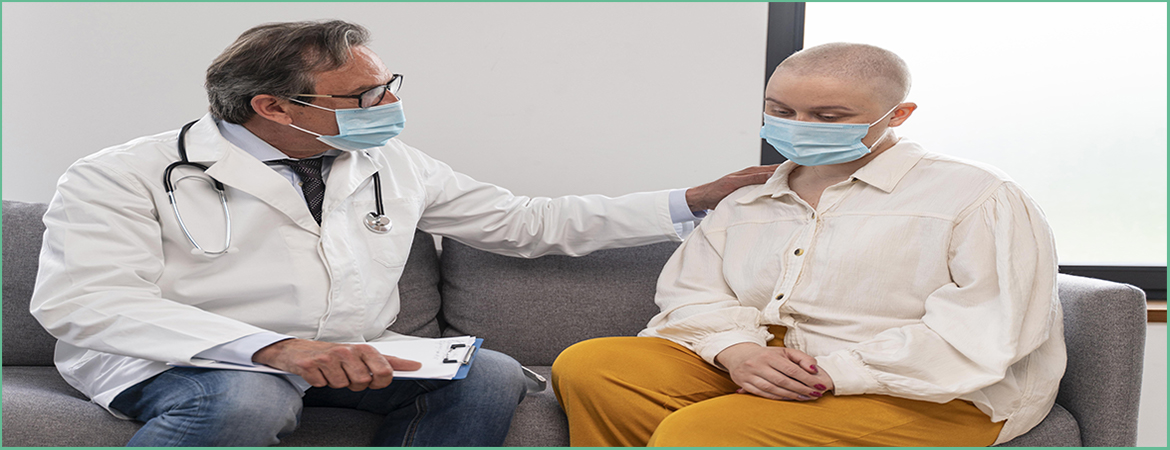
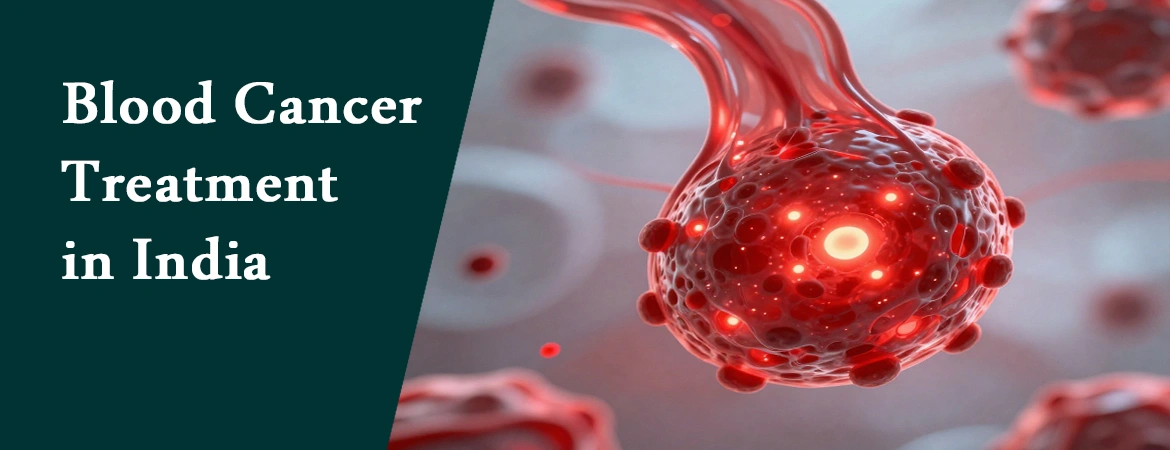
India has emerged at the forefront of cancer treatment, delivering modern treatment options, accessible in Western countries at a fraction of the price.
Patients can now avail all types of oncological services, including cutting-edge surgical procedures, robot-assisted surgeries, radiotherapy, chemotherapy, immunotherapy, hormone therapy, supportive care, and targeted therapy by collaborative teams of oncologists.
Now, death rate due to cancer has decreased, due to advanced developments and skills, utilized in treatment protocols. Various cancer treatment options are now available with proven results. Prestigious medical centers are delivering excellent care for cancer patients.
Indian surgeons perform complex cancer surgeries, applying modern methodologies like, minimally invasive and robotic surgeries, that enhance accuracy, and reduce recovery time.
They work together in team, consisting of different professionals, who collaborate to offer complete and personalized patient care.
Those surgeons actively engage themselves in research, innovation, and constant training through specialized programs, and international conferences, to maintain high standards benchmark.
Patient-focused treatment is prioritized with transparent discussion and supportive services, addressing the psychological and social factors of cancer treatment.
The coming years, appear promising and optimistic through adoption of machine intelligence, and machine learning in assessment and surgical planning, along with sustained global collaborations.
India stands as a hub for oncology care, providing world-class healthcare facilities equipped with state-of-the-art systems such as robotic surgery, immunotherapy, and preceised surgery at internationally accredited hospitals.
The country has highly qualified oncologists trained at reputed global institutions, who offer personalized treatment strategies using the latest medical developments.
Treatment costs in India are significantly lower than in Western countries like in US and UK, ensuring advanced cancer care accessible without compromising quality.
India provides integrated treatment protocols which combine standard treatments like surgery, chemotherapy, and radiation with supportive modalities .
Multiple Language speaking professionals and well-established medical infrastructure ensure streamlined patient experiences with dedicated support services for international patients.
Many success stories and patient reviews showcase the high-quality care and positive outcomes achieved through India’s combination of medical expertise, innovative treatments, and compassionate patient-focused strategy.
Cancer surgeries costs in India, are significantly cheaper compared to Western countries, for major procedures including pharmaceutical pricing and efficient infrastructure.
Even many hospitals are delivering internationally accredited, state-of-the-art facilities at lower costs. Patients must consider quality care, know physician credentials, and individual needs when making treatment decisions.
Yes, all major types of cancer treatments are available in India at leading oncology centers. The country offers comprehensive cancer care with access to the same advanced treatment modalities available in Western countries
The duration varies by treatment type. Surgical procedures require 2-3 weeks including pre-operative evaluation and recovery. Chemotherapy or radiation therapy may require 6-8 weeks for multiple cycles. Your oncologist will provide a personalized timeline based on your treatment protocol.
Comprehensive packages typically include diagnostic tests, primary treatment (surgery, chemotherapy, or radiation), hospital stay, medications, and initial follow-up. However, additional treatments like immunotherapy, targeted therapy, or management of complications may incur separate costs.
India offers comprehensive cancer care including advanced surgical procedures, robotic surgery, chemotherapy, radiation therapy, immunotherapy, targeted therapy, hormone therapy, and bone marrow transplant. Treatment protocols follow international guidelines with personalized approaches.
Yes, leading cancer centers in India prove success rates comparable to top international hospitals, many hospitals are JCI-accredited and follow evidence-based treatment protocols.
Hospital stay varies by procedure complexity and cancer type. Minor surgeries require 3-5 days, while major operations like gastrectomy or liver resection may need 7-10 days. Minimally invasive and robotic surgeries often allow shorter hospital stays.
Yes, ongoing surveillance is crucial for detecting recurrence and managing side effects. We provide detailed discharge summaries, follow-up schedules, and coordinate with your local oncologist for continued monitoring including imaging, blood tests, and clinical examinations.
Complication rates at accredited cancer centers are comparable to international standards (5-10% for major surgeries). Advanced facilities, experienced oncology teams, and robust infection control protocols ensure effective management of treatment-related complications.
Yes, cancer treatment can be safely administered to elderly patients with comprehensive geriatric assessment. Treatment plans are modified based on overall health, organ function, and life expectancy, with options including reduced-intensity protocols when appropriate.
Chemotherapy uses drugs to kill rapidly dividing cancer cells but also affects healthy cells, causing side effects. Immunotherapy harnesses the body’s immune system to target cancer cells specifically, often with fewer side effects but higher costs.
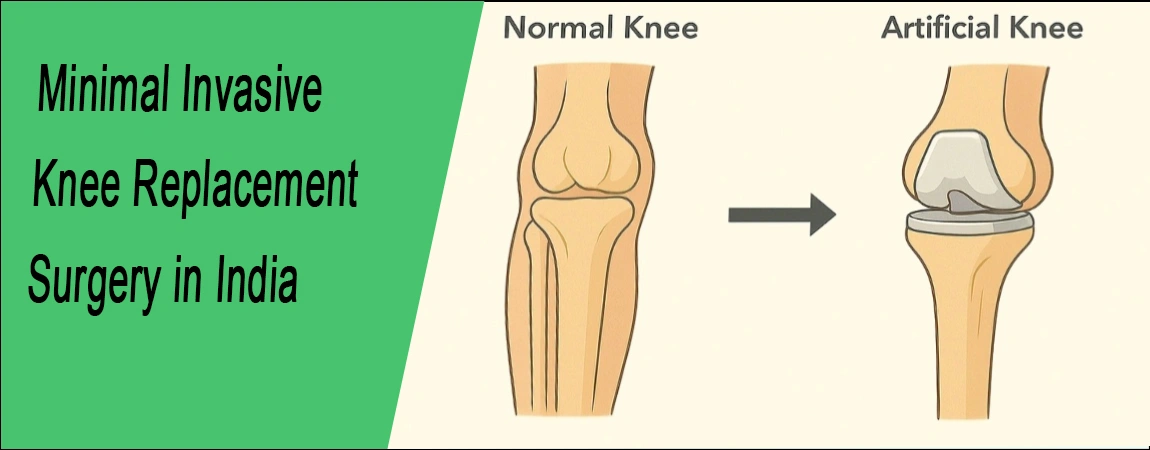
Robotic surgery uses computer-assisted technology for enhanced precision, smaller incisions, less blood loss, and faster recovery. Minimally invasive approaches include laparoscopic and thoracoscopic techniques that reduce surgical trauma compared to traditional open surgery.
Essential tests include complete blood counts, tumor markers, imaging studies (CT, MRI, PET scan), biopsy for tissue diagnosis, and organ function tests. Genetic and molecular testing may be required for targeted therapy eligibility. Results guide treatment planning.
Recovery timelines vary. After surgery, light activities resume in 4-6 weeks, with full recovery in 8-12 weeks. During chemotherapy or radiation, activity levels depend on side effects. Your oncology team will provide personalized guidance based on treatment response.
Some patients require long-term medications including hormone therapy for breast or prostate cancer (5-10 years), targeted therapy for specific mutations, or supportive medications for side effect management. Duration depends on cancer type and individual treatment protocols.
Look for JCI or NABH accreditation, experienced oncology teams, availability of advanced technologies (robotic surgery, immunotherapy), multidisciplinary tumor boards, published outcomes data, and dedicated international patient services with language support.
Cure rates vary by cancer type and stage. Early-stage cancers have excellent outcomes (80-90% for breast, prostate, thyroid). Advanced cancers have lower cure rates but improved survival with modern treatments. Your oncologist will discuss prognosis based on specific diagnosis.
Share with us medical report and explain patient's health condition.
We will share with you doctor's opinion and treatment plan within 24 hours.
On agreed, we will send you visa invitation letter from hospital to get a visa.
Book your flight ticket and share flight itinerary with us to pick-up you from Airport.
We provide complete coordination and translation at every step of your treatment journey.
We drop you off at Airport and stay in touch with you to follow up.