




1
Share Your
Medical Report
Share with us medical report and explain patient's health condition.
Ear, Nose, and Throat focus on diagnosing and treating conditions related to wide range of issues, including hearing loss, sinus problems, allergies, and throat disorders. Treatment of ears, nose, and throat are important for our overall health and quality of life. Many individuals seek care from ENT specialists for their common problems like chronic sinusitis and allergies, Along with complex conditions such as tumors and sleep apnea.
Patients often see an ENT specialist for issues like:
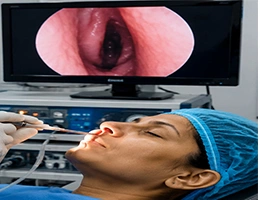
Some diagnosis includes physical exams, advanced tools like endoscopes to look at affected areas more closely. Patient may require medication, allergy management, or surgery as per severe health conditions. Doctor can help to prevent issues, and educate to protect important organs from injuries or infections. Regular check-ups help to detect problem early, It’s an important step for a healthy, balanced lifestyle.
ENT specialists diagnose and treat variety of common conditions, that can significantly impact our quality of life. like sinusitis or ear inflammation, otitis media, or middle ear infection, which primarily affects children. Lastly allergies that can lead to several ENT problems. These include post-nasal drip, sneezing, and itching in the eyes and throat.
With the right help, people can relieve common ENT issues and boost their well-being.
Signs and symptoms of ear, nose, and throat are ear pain, discomfort and trouble in hearing, full feeling in the ear, or fluid coming from the ear canal, and ringing sound in ears, called tinnitus. These can be signal of a problem with the auditory system.
Also, ear and nasal related problems can appear in several ways. Like frequently sneezing, or facial discomfort, you may be dealing with allergies, sinusitis, or a cold. Another symptom to watch for is a decreased sense of smell or taste, which can be particularly concerning and is often linked to sinus blockages or infections.
Throat issues often come with distinct symptoms as well. A sore throat, especially if it’s persistent, might suggest an infection or irritation. Having trouble swallowing or feeling like something is stuck in your throat could mean there’s an issue. Additionally, hoarseness or loss of voice could be a sign of laryngitis or another throat condition. Knowing these symptoms can help people get the right medical advice and support for their ENT health.
Advanced ENT (Ear, Nose, and Throat) diagnosis has come a long way in recent years, utilizing the latest technology and methods to detect a wide range of conditions affecting these crucial areas. With tools such as digital imaging, video endoscopy, and advanced audiometric testing, healthcare providers can pinpoint issues more accurately. Conditions like chronic sinusitis, hearing loss, and voice disorders can be diagnosed at a more advanced level than ever before, ensuring that patients receive targeted care right from the start.
Once a diagnosis is made, the best treatments vary significantly based on the specific condition and its severity. For example, chronic sinusitis might be treated with a combination of medications, corticosteroid sprays, and in some cases, surgical interventions such as balloon sinuplasty. For hearing loss, advancements in hearing aids and cochlear implants have shown successful outcomes, allowing individuals to regain their auditory function. Moreover, for voice disorders, speech therapy techniques tailored to individual needs play a significant role in rehabilitation.
The integration of these advanced diagnostic and treatment methods not only enhances the quality of care that patients receive but also improves their overall quality of life. By prioritizing precision in diagnosis and exploring cutting-edge treatment options, the field of ENT continues to evolve, offering solutions that were once thought impossible. Whether it’s alleviating discomfort from allergies or restoring a patient’s ability to communicate effectively, advancements in ENT care are making a meaningful difference in countless lives.
Today ENT specialists use tools like video endoscopy and digital imaging to see exact problem, whether it’s a stuffy nose, or hearing loss, or a voice that keeps giving out, doctors can now identify the root cause faster and more accurately and treats well.
Treatment, of course, depends on what’s actually condition is? for instance, some medical medication or nasal spray can benefit the patient. — or might need a quick procedure like to open things up properly. Modern hearing aids and cochlear implants have changed many lives. And for those who are struggling with voice issues, personalized speech therapy can make a remarkable difference for them.
ENT medicine isn’t just advancing in labs — it’s changing real experiences for real people, from finally breathing clearly after years of congestion to having a conversation without strain. Small improvements in this field ripple out into everyday life in ways that truly matter.
There are a few issues that parents frequently meet with their children. One of the most common problems is ear infections. These infections occur when bacteria or viruses cause inflammation in the middle ear, like ear pain, irritability, or fluid drainage. In many cases, physicians recommend watchful waiting, but sometimes antibiotics are necessary, especially if the infections are recurrent.
Another prevalent condition is allergic rhinitis, which can affect children’s ability to breathe comfortably. Allergies can cause sneezing, runny nose, and itchy eyes, all of which can disrupt a child’s daily activities. Pediatricians often suggest a combination of antihistamines and allergy management strategies, such as avoiding common triggers like dust or pet dander, to help alleviate these symptoms.
Tonsillitis is a condition that many kids face, resulting in swollen tonsils and a sore throat. This infection can be caused by both viruses and bacteria. Treatment typically involves rest, fluids, and pain relief, though severe or recurrent cases may require surgical intervention to remove the tonsils. Regular consultations with an ENT specialist can help manage these conditions effectively, ensuring that children stay healthy and comfortable.
Advanced surgeries for complex ENT cases have made significant strides in recent years, offering patients new hope and solutions. These surgeries include a variety of techniques, like endoscopic procedures, robotic surgeries, and minimally invasive options that allow for precision and quicker recovery times. Surgeons are now using advanced imaging technologies that enable them to navigate intricate anatomical structures with ease, leading to better outcomes for patients suffering from complex disorders of the head and neck.
One area where these advanced surgical techniques shine is in the treatment of cancers in the throat, nasal cavity, and around the ears. With minimally invasive approaches, surgeons can now remove tumors with smaller incisions, reduce the risk of complications and scarring. Additionally, the use of robotic-assisted surgery offers enhanced dexterity and visualization, allowing specialists to operate in hard-to-reach areas while minimizing damage to surrounding healthy tissue.
Advanced surgeries are also utilized in treating chronic conditions such as sleep apnea and severe sinusitis. For instance, hybrid procedures that combine multiple techniques can significantly alleviate symptoms and improve a patient’s quality of life. As technology continues to evolve, the future of complex ENT surgeries looks promising, with ongoing research and innovations aimed at enhancing surgical precision, reducing recovery times, and ultimately providing patients with the relief they need.
Head and neck cancer treatment involves a variety of options tailored to the specific type and stage of cancer, as well as the overall health of the patient. The most common treatments include surgery, radiation therapy, and chemotherapy. Surgery may involve removing the tumor and surrounding tissue, while radiation uses high-energy waves to target and destroy cancer cells. Chemotherapy drugs kill rapidly dividing cells, which can be beneficial for cancers that have spread beyond their original location.
In many cases, treatment plans may combine these methods to increase effectiveness. For instance, a patient might undergo surgery to remove the tumor, followed by radiation therapy to eliminate any remaining cancer cells. Additionally, newer approaches such as targeted therapy and immunotherapy are becoming more prevalent. These methods aim to specifically attack cancer processes or enhance the body’s immune response against cancer, offering more options for those diagnosed with head and neck cancers.
Supportive care is also a crucial component of the treatment journey. This can include nutritional support, pain management, and speech therapy, which are essential for maintaining quality of life during and after treatment. Regular follow-ups with healthcare providers ensure that recovery is on track and that any long-term effects of treatment are addressed. As research continues to evolve, innovative treatments and therapies for head and neck cancer improve, providing hope for patients and their families.
Treatment options can vary widely depending on the specific condition. For voice disorders, therapies often include vocal rest, speech therapy, and sometimes even medications to reduce inflammation. Voice therapy helps individuals improve their vocal technique, making it easier and more efficient to communicate without strain. In more severe cases, surgical interventions might be considered to address physical abnormalities affecting the vocal cords.
Swallowing disorders, also known as dysphagia, can significantly impact a person’s quality of life. Treatment typically focuses on swallowing therapy, which involves exercises to strengthen the muscles involved in swallowing. Additionally, dietary modifications may be recommended to make eating safer and more enjoyable. In some cases, medications might be prescribed to manage related symptoms, such as acid reflux, which can complicate swallowing.
Sleep-related ENT disorders, such as obstructive sleep apnea, can disrupt restful sleep and lead to various health issues. Treatment for this condition often includes lifestyle changes, such as weight loss and sleep position adjustments. Continuous positive airway pressure therapy is common for those with moderate to severe cases, as it helps keep the airway open during sleep. In some cases, surgical options may be explored to remove excess tissue from the throat or improve airflow. Addressing these disorders is essential not only for better sleep but also for overall health and well-being.
India has emerged as a preferred destination for many international patients. One of the main reasons is the high standard of medical care offered in the country. India boasts a vast number of well-equipped hospitals and clinics with cutting-edge technology and advanced treatment protocols. Many ENT specialists in India are trained in renowned institutions both locally and abroad, ensuring that they are up to date with the latest techniques and procedures. This combination of advanced technology and skilled professionals makes India a reliable choice for those seeking ENT care.
Another appealing aspect of seeking ENT treatment in India is the affordability of healthcare services. Compared to Western countries, India’s medical costs are considerably lower, making it an attractive option for those who are looking for quality care At an affordable price.
Patients can avail comprehensive treatment plans, including pre-operative assessments and post-operative care, at a fraction of the cost they would pay in their home countries. This cost-effectiveness, and high-quality care, allows patients to save money while receiving the treatment they need.
India offers a blend of medical excellence and cultural richness, making it a unique place for healthcare. Many hospitals strive to make international patients feel comfortable, with options for accommodations, language assistance, and travel arrangements. This attention toward patient comfort ensures that individuals seeking ENT treatment can also explore the beauty and diversity of India during their stay. With its talented medical professionals, affordable services, and appealing patient experience, India is becoming an increasingly popular choice for ENT treatments worldwide.



Share with us medical report and explain patient's health condition.
We will share with you doctor's opinion and treatment plan within 24 hours.
On agreed, we will send you visa invitation letter from hospital to get a visa.
Book your flight ticket and share flight itinerary with us to pick-up you from Airport.
We provide complete coordination and translation at every step of your treatment journey.
We drop you off at Airport and stay in touch with you to follow up.