









1
Share Your
Medical Report
Share with us medical report and explain patient's health condition.
General Surgery is a surgical procedure, focuses on different are of body organs, especially stomach-area. General surgeon performs a wide range of procedures, including appendix removals, hernia repair, and cancer case as well.
One of the major parts of general surgery is detailed explanation of procedures before undergoing surgery, as after surgery certain complications may occur, that will be managed by surgeon.
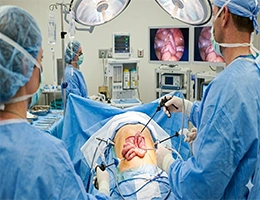
In recent years, advancements in technology have pushed general surgery into new fields, including less invasive techniques such as laparoscopic surgery. This technique allows for smaller incisions, reducing pain and recovery time for patients.
As the field keeps on improving, general surgeons remain at the forefront, adapting to advances in technology and procedures to deliver the best care possible to the patient.
Typically, general surgery is performed to deal with common issues in the abdomen, including problems related to the digestive tract, liver, gallbladder, and pancreas. Patients may require surgery for appendicitis, gallstones, or severe injuries that require immediate attention.
The plan to perform general surgery usually comes after a detailed evaluation and assessment by a doctor, that could include physical exams, imaging tests like ultrasounds or CT scans, and other necessary diagnostics.
Recovery after general surgery differs on the type of procedure performed and the overall health condition of the patient. Generally, patients can stay in hospital few hours to several days, followed by at-home recovery. Proper follow-up care is important; patients are recommended to avoid heavy lifting or stressful activities for a specific period to ensure healing.
Overall, general surgery acts a key role in managing various medical conditions and assisting patients regain their health and quality of life.
Furthermore, general surgery also acts a protective objective in healthcare, which means that surgery is essential not only for treating present health issues but also for improving patient outcomes by avoiding future health problems.
One of the most common types is abdominal surgery, which can include surgery on the stomach, intestines, liver, and gallbladder.
Procedures like appendectomies, hernia repairs, and cholecystectomy are performed to treat problems such as appendicitis, hernias, and gallbladder disease.
These operations can be performed using minimally invasive techniques that reduce recovery time for patients. Another important area of general surgery is hormonal surgery, which focuses on the glands of the endocrine system.
Surgeons in this field perform surgery to remove tumors or deal with diseases affecting the thyroid, parathyroid gland, and adrenal glands
Conditions such as hyperthyroidism or thyroid cancer may require surgical intervention to help restore hormone balance or destroy cancerous cells.
General surgery offers many benefits that help improve a patient’s health and quality of life. One of its biggest advantages is that long-term pain relieve, removal of tumours, free from server obesity, patient feel better emotionally and mentally as can get new sentence and confidence and well-being.
Modern advances in surgery — especially minimally invasive techniques — have made recovery much faster and safer. Compared to traditional surgeries, patients heal more quickly, spend less time away from work, and face a lower risk of infection or other complications.
India is now among the most popular destinations for general surgery, attracting patients from all around the world. This is due to its highly skilled doctors, and modern hospitals equipped with the latest medical technology. These facilities offer minimally invasive surgeries, enabling faster recovery and fewer complications. Plus, many Indian surgeons trained and practiced internationally, making them experts in modern surgical techniques and guidelines.
“Another major reason to choose India is lower cost, and high-quality surgical care compared to Western countries. This affordability covers not just the surgery itself, but also pre-surgery consultations and post-surgery care. Hospitals go a step further by offering all-inclusive packages that cover accommodation and transportation, making the entire experience smooth and stress-free for international patients.
Beyond medical expertise and cost, India is also known for its warm hospitality and rich culture, which adds to the overall comfort of patients during their recovery. Most hospitals place a strong focus on personalized care, ensuring that every patient feels welcomed and well looked after. The combination of expert surgeons, advanced facilities, affordable pricing, and compassionate care makes India an excellent choice for both routine and complex general surgeries.
Many foreigners choose to travel to India for general surgery due to the country’s rich healthcare infrastructure and highly skilled medical professionals. Indian hospitals are equipped with advanced technology and modern facilities, enabling for a wide range of surgical procedures to be performed safely and efficiently.
The existence of accredited hospitals, many of and these offer services to overseas patients, ensures that patients who needs surgery can receive high-quality care.
Another significant reason is the cost-effectiveness of medical treatments in India, compared to many Western countries. The price of general surgery in India can be significantly lower, even when including expenses like travel and accommodation. This affordability does not compromise the standard of care provided. Many healthcare providers in India offer packages specifically designed for international patients, making it easier for individuals to schedule their medical trips without financial pressure.
Lastly, the country’s rich culture and warm hospitality make it an ideal location for individuals seeking surgery. Many hospitals not only focus on medical treatment but also provide a comfortable and welcoming atmosphere for recovery. This combination of quality healthcare, affordability, and a culturally rich experience contribute to India’s growing reputation as a sought-after destination for general surgery among foreigners.
Many hospitals in India are equipped with state-of-the-art technology and possess advanced facilities, which enable them to perform complex surgeries with precision and care. This modern approach ensures that patients receive top-notch care before, during, and after their surgical procedures.
Patients can receive high-quality surgical care within budgets, making it an attractive choice for both local and foreign patients. Furthermore, the patient-centric approach adopted by Indian hospitals enhances the overall experience of undergoing surgery. Many hospitals prioritize excellent customer service, ensuring that patients receive not only medical attention but also emotional support throughout their surgical journey. With a focus on personalized care, Indian hospitals make sure that patients feel comfortable and well-informed about their treatment plans, making them a preferred choice for general surgeries.
General surgery is a surgical specialty that focuses on a broad range of procedures, particularly those involving organs in the abdominal area — including the stomach, intestines, liver, gallbladder, and pancreas. General surgeons also treat conditions such as hernias, appendicitis, and certain cancers.
Surgery is typically recommended after a thorough evaluation by a doctor, which may include physical exams, ultrasounds, CT scans, or other diagnostic tests. Common reasons include appendicitis, gallstones, hernias, tumors, and severe abdominal injuries requiring immediate attention.
The most common general surgery procedures include appendectomies (appendix removal), hernia repairs, cholecystectomy (gallbladder removal), and endocrine surgeries such as thyroid or adrenal gland removal. Many of these can be performed using minimally invasive techniques.
Laparoscopic surgery is a minimally invasive technique that uses small incisions instead of one large opening. It results in less pain, lower risk of infection, faster healing, and shorter hospital stays compared to traditional open surgery.
Recovery time varies depending on the type of procedure and the patient’s overall health. Patients may stay in hospital for a few hours to several days, followed by at-home recovery. Most patients are advised to avoid heavy lifting and strenuous activities for a specific period to allow proper healing.
Some complications may occur after surgery, which is why a detailed explanation of the procedure is provided beforehand. Your surgeon will monitor your recovery and manage any issues that arise. Minimally invasive techniques significantly reduce the risk of infection and other post-operative complications.
Proper follow-up care ensures that healing progresses well and any complications are caught early. It typically includes scheduled check-ups with your surgeon, wound care guidance, and activity restrictions during the recovery period.
General surgery offers long-term pain relief, tumor removal, and freedom from conditions like severe obesity. Beyond physical benefits, patients often experience improved emotional and mental well-being, renewed confidence, and a better overall quality of life after a successful procedure.
Yes. General surgery serves a preventive role in healthcare. In addition to treating existing conditions, surgical interventions can help avoid future health complications — for example, removing a tumor early or repairing a hernia before it becomes life-threatening.
India attracts patients from around the world due to its highly skilled surgeons, modern hospitals with advanced technology, and significantly lower costs compared to Western countries. Many Indian surgeons have trained internationally, and hospitals offer comprehensive packages covering surgery, consultations, accommodation, and transportation.
Yes. Indian hospitals are equipped with state-of-the-art technology and many are internationally accredited. The lower cost of surgery in India does not compromise the quality of care. Surgeons follow modern techniques and international guidelines, and many facilities offer services specifically designed for overseas patients.
Many Indian hospitals offer all-inclusive packages for international patients that cover pre-surgery consultations, the surgical procedure itself, post-operative care, accommodation, and transportation. This makes it easier to plan a medical trip without unexpected costs or logistical stress.
Indian hospitals are known for their patient-centric approach, offering not just medical care but also emotional support and personalized attention throughout the recovery journey. Patients are kept well-informed about their treatment plans and benefit from the country’s warm hospitality and welcoming culture.
Share with us medical report and explain patient's health condition.
We will share with you doctor's opinion and treatment plan within 24 hours.
On agreed, we will send you visa invitation letter from hospital to get a visa.
Book your flight ticket and share flight itinerary with us to pick-up you from Airport.
We provide complete coordination and translation at every step of your treatment journey.
We drop you off at Airport and stay in touch with you to follow up.