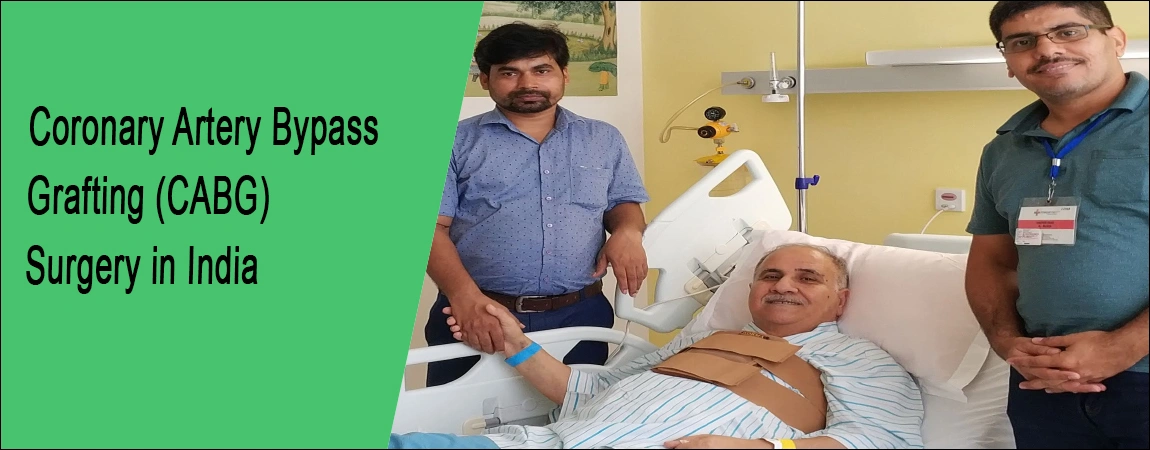







Coronary Artery Bypass Grafting Surgery in India

Coronary Artery Bypass Grafting in India, Quality Treatment at Reduced Cost

Date : Nov 4 , 2025 |

What is Coronary Artery Bypass Grafting (CABG) Surgery?

Coronary Artery Bypass Grafting (CABG) is a surgical procedure in which blocked or narrowed coronary arteries are bypassed with blood vessels taken from other parts of the body, so that normal blood flow to the heart muscle can be restored. This procedure is generally recommended for patients affected by severe coronary artery disease, angina (chest pain), or multiple blockages in the heart’s arteries that limit the supply of oxygen-rich blood to the heart muscle.

This surgery, significantly relief chest pain, reduce risk of the heart attack, improve heart function and restore patient’s ability to carry out daily activities. During this surgery, healthy blood vessel is taken from the leg, chest, or arm and connect to the coronary a artery beyond the site of blockage, allowing a new pathway for blood to flow. After the surgery, the patient is closely monitored, and cardiac rehabilitation with lifestyle modifications is advised to ensure complete recovery and long-term heart health.

When is CABG Surgery Performed?

  • When severe blockages in multiple coronary arteries are detected
  • When blockage is found in the left main coronary artery.
  • Severe chest pain (angina) is experienced, which does not respond to medication.
  • Previous angioplasty or stent placement is found to have failed.
  • A heart attack or acute coronary syndrome has occurred.
  • Heart function is reduced due to coronary artery disease.
  • Blockages are present that are not suitable for stenting.

Types of CABG Surgeries

Traditional On-Pump CABG Surgery

This is the most common type of coronary artery bypass surgery, performed with the assistance of a heart-lung machine (cardiopulmonary bypass). During the procedure, the heart is temporarily stopped, and the heart-lung machine is used to take over the function of pumping blood and supplying oxygen throughout the body while the bypass grafting is carried out.

A high success rate of about 95–98% has been reported with this surgery, most of the patient relief from chest pain and an improved quality of life. A large incision is made down the center of the chest (sternotomy) to access the heart. Once the grafts are attached, the heart is restarted, and the patient is gradually weaned off the heart-lung machine.

However, as with any major surgical procedure, certain risks such as infection, bleeding, stroke, or irregular heart rhythms may be associated. Therefore, the potential benefits and risks should be carefully discussed with the doctor before the surgery is undertaken.

Off-Pump CABG (Beating Heart Surgery):

A modern technique that aims to achieve the same results as traditional CABG but without stopping the heart or using a heart-lung machine. This technique allows the surgeon to perform bypass grafting on a beating heart using specialized stabilization devices that hold a small area of the heart still while the rest continues to beat.

This surgery requires exceptional skill and experience from the surgeon, as they work on a moving target with limited stabilization. Among the most important advantages of this procedure are reduced risk of stroke, less blood loss, decreased inflammation, shorter hospital stay, and faster recovery compared to on-pump surgery. This technique is particularly beneficial for high-risk patients, elderly patients, or those with kidney disease or previous stroke. Most patients experience fewer complications and can return to daily activities faster, though not all patients are suitable candidates for this approach.

Minimally Invasive Coronary Artery Bypass

An advanced technique that uses smaller incisions instead of the traditional full sternotomy. The surgeon accesses the heart through a small incision between the ribs on the left side of the chest, typically to bypass blockages in the front of the heart.

During this operation, specialized instruments and sometimes robotic assistance are used to perform the bypass through these smaller incisions. This technique is usually performed off-pump (on a beating heart) and primarily uses the internal mammary artery from inside the chest wall as the graft.

The benefits of this technique include less surgical trauma, reduced pain, smaller scars, faster recovery, shorter hospital stay, and quicker return to normal activities. Patients typically experience less blood loss and reduced risk of infection. However, this technique is suitable only for specific blockages and not all patients are candidates. The surgeon must carefully evaluate the location and severity of blockages to determine if MIDCAB is appropriate.

Robot-Assisted CABG Surgery:

A cutting-edge technique that uses a robotic surgical system to achieve superior precision in performing bypass grafting through very small incisions. The robotic system provides the surgeon with enhanced three-dimensional visualization and instruments with greater dexterity and range of motion more than the human hand.

During the operation, the surgeon sits at a console and controls robotic arms that hold specialized instruments and a high-definition camera. The robot translates the surgeon’s hand movements into precise micro-movements inside the chest, eliminating natural hand tremors and allowing for extremely accurate suturing of the tiny coronary arteries.

The benefits of this technique include minimal scarring, reduced pain and trauma, less blood loss, lower infection risk, shorter hospital stay, and faster return to work and normal activities. Studies indicate that patients who undergo robotic CABG often experience excellent graft patency rates and outcomes comparable to traditional surgery, with the added benefits of minimally invasive approach. However, this technology requires significant investment and specialized training, making it available only at advanced cardiac centers.

When is CABG Surgery Recommended?

CABG surgery is recommended when there is severe coronary artery disease with significant blockages that don’t respond adequately to medications or lifestyle changes, particularly when multiple arteries are blocked or the left main coronary artery is affected. It is also indicated for severe angina (chest pain) that limits daily activities such as walking, climbing stairs, or performing household tasks, or when previous interventions like angioplasty or stenting have failed or are not suitable options.

In such cases, conservative treatments are first attempted, including medications (blood thinners, cholesterol-lowering drugs, blood pressure medications), lifestyle modifications (diet, change, smoking cessation), and weight management. However, when these fail to provide adequate relief or when the blockages are too severe or extensive, CABG becomes necessary. Age is typically considered when patients are experiencing symptoms that significantly impact their quality of life, sleep, and overall health due to heart disease.

The Objective of CABG Surgery

CABG surgery is performed to restore adequate blood flow to the heart muscle, relieve severe angina (chest pain), reduce the risk of heart attack, and improve survival in patients suffering from severe coronary artery disease. The surgery is typically recommended after medical therapy alone has proven insufficient to control symptoms or when the pattern of blockages poses a high risk for heart attack or sudden death.

During the procedure, the surgeon harvests healthy blood vessels from the leg (saphenous vein), chest (internal mammary artery), or arm (radial artery) and uses them to create detours around the blocked segments of coronary arteries. This allows oxygen-rich blood to reach the heart muscle beyond the blockages, restoring proper cardiac function.

This surgery helps relieve chest pain, improve exercise tolerance, reduce shortness of breath, and enable the patient to perform daily activities normally without cardiac limitations. The ultimate goal is to improve the patient’s quality of life, extend life expectancy, and return them to an active and independent lifestyle with a healthier heart.

Post-Operative Care for CABG Surgery

Intensive Care Monitoring:

  • Transfer to the cardiac intensive care unit (ICU) immediately after surgery for close monitoring
  • Continuous monitoring of heart rhythm, blood pressure, oxygen levels, and vital signs
  • Mechanical ventilation initially, with gradual weaning as the patient stabilizes
  • Chest tubes to drain fluid and air from around the heart and lungs
  • Multiple IV lines for medications and fluid management

Pain Management:

  • Administration of appropriate pain medications through IV and later oral routes
  • Pain control is essential for deep breathing and coughing exercises
  • Gradual reduction of narcotic medications as pain decreases
  • Alternative pain management techniques such as ice packs and positioning

Wound Care:

  • Daily inspection of chest incision and graft harvest sites for signs of infection
  • Keeping wounds clean, dry, and covered with sterile dressings
  • Monitoring for redness, swelling, drainage, or separation of incision edges
  • Sternum precautions to allow proper healing of the breastbone (6-8 weeks)

Early Mobilization:

  • Sitting in a chair on the first day after surgery
  • Walking short distances with assistance on day 2-3
  • Gradual increase in walking distance and activity level
  • Use of incentive spirometry to prevent lung complications
  • Deep breathing and coughing exercises every hour while awake

Medication Management:

  • Blood thinners (aspirin, antiplatelet agents) to prevent graft closure
  • Beta-blockers to control heart rate and blood pressure
  • Cholesterol-lowering medications (statins)
  • ACE inhibitors or other blood pressure medications
  • Diuretics if needed for fluid management

Cardiac Rehabilitation:

  • Enrollment in supervised cardiac rehabilitation program
  • Monitored exercise training to safely rebuild strength and endurance
  • Education about heart-healthy lifestyle, diet, and stress management
  • Psychological support for emotional recovery

Regular Follow-up:

  • Weekly visits in the first month to monitor healing and adjust medications
  • Monthly visits for the first 3-6 months
  • Long-term annual follow-up with cardiologist and cardiac surgeon
  • Periodic cardiac tests (ECG, echocardiogram, stress tests) to assess heart function

Lifestyle Modifications:

  • Adoption of heart-healthy -style diet
  • Regular physical activity and exercise program
  • Smoking cessation (absolutely critical)
  • Weight management and control of diabetes
  • Stress reduction

Proper postoperative care significantly contributes to successful recovery, prevention of complications, and optimal long-term outcomes.

Preparation for CABG Surgery

Examinations and Evaluations:

  • Comprehensive blood tests including complete blood count, kidney and liver function, electrolytes, and coagulation studies
  • Coronary angiography (cardiac catheterization) to map the exact location and severity of blockages
  • Electrocardiogram (ECG) to assess heart rhythm and detect previous heart damage
  • Echocardiogram to evaluate heart function, valve function, and heart chamber size
  • Chest X-ray to assess lung condition and heart size
  • Carotid ultrasound to check for blockages in neck arteries
  • Pulmonary function tests for patients with lung disease
  • Dental examination to identify and treat any infections
  • Consultation with anesthesiologist to discuss anesthesia options and risks

Medication Review:

  • Informing the doctor about all medications, supplements, and herbal products
  • Stopping blood thinners like warfarin, clopidogrel several days before surgery
  • Adjusting diabetes medications (especially metformin)
  • Continuing important medications like beta-blockers and statins
  • Adjusting doses of chronic disease medications

Home Preparations:

  • Preparing the home environment: Setting up a recovery area on the main floor to avoid stairs initially, installing grab bars in bathroom, arranging for assistance with household chores
  • Support arrangements: Arranging for family member or caregiver to stay with you for at least 2-3 weeks, organizing transportation for follow-up appointments, preparing easy-to-prepare or frozen meals in advance

Physical and Lifestyle Preparations:

  • Smoking cessation at least 2-4 weeks before surgery (critical for healing)
  • Limiting or stopping alcohol consumption
  • Optimizing weight and nutrition
  • Practicing deep breathing exercises with incentive spirometer
  • Light exercise as approved by doctor to maintain fitness
  • Managing chronic conditions (diabetes, blood pressure, cholesterol)

Preparations Before Surgery Day:

The Night Before:

  • Showering with antibacterial soap as instructed
  • Fasting from midnight (or as directed by doctor) – no food or drink
  • Taking only approved medications with small sip of water
  • Getting adequate rest and sleep

Surgery Day:

  • Arriving at hospital at scheduled time (usually very early morning)
  • Wearing comfortable, loose-fitting clothing
  • Removing all jewelry, contact lenses, dentures, and accessories
  • Not wearing makeup, nail polish, or hair products
  • Bringing list of all medications and allergies
  • Bringing personal items for hospital stay (glasses, hearing aids, phone charger)
  • Ensuring family members have contact information for surgical waiting area

Post-Surgery Arrangements:

  • Arranging for cardiac rehabilitation enrollment
  • Planning for medication management and organizing pill boxes
  • Understanding warning signs of complications
  • Keeping emergency contact numbers readily available
  • Planning for gradual return to work (typically 6-12 weeks)
  • Making arrangements for any financial concerns or insurance questions

Good preparation for CABG surgery significantly contributes to the success of the operation, speeds recovery, reduces potential complications, and helps patients and families feel more confident and in control during this challenging time.

How to Reduce Risks After CABG Surgery

To reduce risks after surgery and achieve the best recovery outcomes, the following steps can be followed:

  • Choosing the right surgeon: Ensure you select a highly skilled cardiac surgeon with extensive experience and proven track record in CABG procedures at a reputable cardiac center
  • Selecting a specialized hospital: Verify that the hospital has an advanced cardiac ICU, experienced nursing staff, and comprehensive cardiac care program
  • Adhering to preoperative instructions: Follow all medical guidelines precisely, including medication adjustments, fasting requirements, and skin preparation
  • Strict medication compliance: Take all prescribed medications exactly as directed, especially blood thinners, beta-blockers, and cholesterol medications
  • Following sternum precautions: Protect the breastbone while healing by avoiding pushing, pulling, or lifting more than 5-10 pounds for 6-8 weeks
  • Gradual activity increase: Slowly increase physical activity as directed, avoiding sudden exertion or overexertion
  • Maintaining nutrition and hydration: Follow a heart-healthy diet low in sodium and saturated fats, with adequate protein for healing
  • Regular follow-up
  • : Attend all scheduled appointments and undergo recommended cardiac testing
  • Cardiac rehabilitation participation: Enroll in and actively participate in supervised cardiac rehabilitation program
  • Early detection of complications: Immediately report any warning signs such as chest pain, shortness of breath, fever, wound drainage, irregular heartbeat, or leg swelling
  • Infection prevention: Keep incisions clean and dry, wash hands frequently, and avoid crowds during initial recovery
  • Smoking cessation: Absolutely no smoking, as it dramatically increases risk of graft failure and complications
  • Stress management: Practice relaxation techniques and get adequate rest to support healing
  • Monitoring vital signs: Regularly check and record blood pressure, heart rate, and weight as instructed

Key Benefits of CABG Surgery

After CABG surgery, a transformative change occurs in the patient’s life, restoring adequate blood flow to the heart, relieving debilitating symptoms, and significantly reducing the risk of heart attack and death from coronary artery disease.

  • Relief from Angina (Chest Pain)

One of the most immediate and dramatic benefits is the significant relief or complete elimination of angina (chest pain). Before surgery, many patients experience severe, limiting chest pain with minimal exertion or even at rest. After successful CABG, most patients (85-90%) experience complete relief from angina. This allows them to walk, climb stairs, perform household tasks, and engage in activities they couldn’t do before.

  • Improved Exercise Tolerance and Physical Function

After the recovery phase, patients are able to engage in physical activities with much greater ease and endurance. They can walk longer distances, climb multiple flights of stairs, return to work, and participate in recreational activities that were previously impossible. The improved blood flow to the heart muscle enhances overall cardiovascular fitness and stamina. Daily activities such as grocery shopping, gardening, playing with grandchildren, or traveling become enjoyable again rather than exhausting or frightening.

  • Reduced Risk of Heart Attack

CABG surgery significantly reduces the risk of future heart attacks by bypassing critical blockages before they cause complete artery closure. For patients with left main coronary artery disease or multi-vessel disease, CABG can reduce the risk of heart attack by 50-70% compared to medication alone. This protective effect provides immense peace of mind and security for patients and their families.

  • Improved Survival and Life Expectancy

Numerous large studies have demonstrated that CABG surgery improves survival for patients with severe coronary artery disease, particularly those with left main disease, three-vessel disease, or reduced heart function. CABG can extend life expectancy and  gives patients the gift of additional quality years with their loved ones.

  • Restoration of Quality of Life

After CABG surgery, patients experience dramatic improvement in overall quality of life. The constant worry about chest pain, fear of heart attack, and limitations on activities are greatly reduced or eliminated. Patients regain independence, confidence, and the ability to plan for the future. They can travel, pursue hobbies, maintain social connections, and enjoy life rather than being controlled by their heart disease. This psychological benefit is often as important as the physical improvement.

  • Improved Heart Function

For patients whose heart muscle was weakened by inadequate blood flow (hibernating myocardium), restoring blood flow through CABG can actually improve heart pumping function over time. As the heart muscle receives adequate oxygen and nutrients again, it can recover some of its lost strength, leading to better overall cardiac function and reduced symptoms of heart failure.

  • Better Sleep and Reduced Anxiety

Many patients with severe angina experience poor sleep due to nighttime chest pain or fear of heart attack. After CABG, with symptoms relieved, sleep quality dramatically improves. The constant anxiety and stress of living with severe heart disease diminish significantly, leading to better mental health, reduced depression, and improved overall well-being.

  • Return to Work and Productive Life

CABG enables many patients to return to their careers and productive activities. This is particularly important for younger patients who need to continue working to support their families. The ability to return to work provides not only financial benefits but also psychological benefits through restored purpose, routine, and social connections.

  • Reduced Medication Burden

While patients still require lifelong medications after CABG, many experience a reduction in the number and doses of anti-anginal medications needed. This reduces medication side effects and costs while improving quality of life.

  • Long-term Graft Patency

Modern CABG techniques, particularly using arterial grafts like the internal mammary artery, provide excellent long-term results. The internal mammary artery graft to the left anterior descending artery remains open in over 95% of patients at 10 years and often functions well for 20-30+ years or lifetime. This durability provides lasting benefit and reduces the need for repeat procedures.

  • Comprehensive Protection

Unlike angioplasty with stenting, which typically treats only one blockage at a time, CABG can bypass multiple blockages simultaneously, providing comprehensive revascularization and protection for the entire heart. This “complete” treatment approach is particularly valuable for patients with diffuse, multi-vessel disease.

FAQ About CABG Surgery

Is CABG surgery painful?

CABG surgery is a major operation, so some discomfort is expected, but pain is very manageable with modern pain management techniques. During the surgery, you are under general anesthesia and feel nothing. After surgery, you will have pain from the chest incision and possibly from the leg or arm where the graft vessel was taken. The sternum (breastbone) discomfort is usually most noticeable, especially with deep breaths, coughing, or movement. However, you will receive strong pain medications through IV initially, then oral pain relievers, which effectively control the pain. Pain gradually decreases over the first 2-3 weeks and is usually minimal by 4-6 weeks. Many patients report that the relief from chronic chest pain (angina) far outweighs the temporary surgical discomfort.

What is the success rate of CABG surgery?

CABG surgery is a successful cardiac procedure, with an overall success rate of 95-98% in most patients. The operative mortality rate  is typically 1-3% for standard-risk patients, though this can be higher for emergency cases, elderly patients, or those with multiple comorbidities. The vast majority of patients (85-90%) achieve complete or near-complete relief from angina and significant improvement in quality of life.

Success depends on multiple factors including surgeon experience, patient age and overall health, number of grafts needed, presence of complications, and patient compliance with medications and lifestyle changes after surgery. At high-volume, specialized cardiac centers with experienced teams, outcomes are typically excellent.

How long does it take to recover from CABG surgery?

Recovery from CABG surgery is a gradual process that occurs in stages. Initial hospital recovery takes 5-7 days for uncomplicated cases, though some patients may require longer. Once home, you’ll need 4-6 weeks before feeling significantly better, during which you’ll gradually increase activity and begin cardiac rehabilitation. Most patients can return to light work and driving by 6-8 weeks, though strenuous jobs may require 8-12 weeks. Full sternum healing takes about 12 weeks (3 months), after which you can resume most normal activities including lifting. Maximal recovery and return to optimal fitness typically takes 4-6 months with cardiac rehabilitation. However, many patients continue to feel progressively better for up to a year as they build strength, lose weight, and adapt to their improved cardiac function. Individual recovery time varies based on age, overall health, number of grafts, complications, and commitment to rehabilitation. Older patients and those with multiple health problems may require longer recovery periods.

Is CABG surgery safe for the elderly?

CABG surgery can be safe and effective for elderly patients, even those over 75-80 years old, though risks are somewhat higher than for younger patients. Modern surgical techniques, improved anesthesia, and better postoperative care have made CABG safer for older adults. The decision to proceed with surgery in elderly patients depends on several factors: overall health status, presence of other serious medical conditions, severity of coronary disease, symptoms and quality of life, and patient preferences and goals. Many elderly patients experience excellent symptom relief and improved quality of life after CABG. However, risks including stroke, delirium, kidney problems, and prolonged recovery are higher in this age group. Each case must be individually evaluated by the cardiac team, weighing the potential benefits against the risks. Sometimes, less invasive options like angioplasty or optimal medical therapy may be preferred for very elderly or frail patients. The key is thorough assessment, realistic expectations, and shared decision-making between the patient, family, and medical team.

Can I resume normal activities after CABG?

Yes, most patients can resume normal activities and even exceed their pre-surgery activity levels after full recovery from CABG. Once cleared by your doctor (typically at 3-6 months), you can return to most activities including work, household chores, gardening, traveling, sexual activity, and recreational sports. However, some permanent restrictions may apply: avoid heavy lifting and avoid high-impact contact sports that could injure the chest, and avoid extreme physical stress without proper conditioning. You should engage in regular moderate exercise (walking, swimming, cycling) which is actually encouraged and beneficial. Many patients find they can do more after surgery than they could before because their angina is relieved and exercise tolerance is improved. Always consult your cardiologist before starting new vigorous activities. The goal is to lead an active, fulfilling life while protecting your heart investment. With proper lifestyle modifications and medical management, most CABG patients live active, productive lives for many years.

What lifestyle changes are necessary after CABG?

CABG surgery provides mechanical improvement in blood flow, but lifelong lifestyle changes are essential to protect the grafts and prevent progression of coronary disease. Critical changes include: Complete smoking cessation (absolutely mandatory – smoking causes graft failure and new blockages), Heart-healthy diet (Mediterranean-style diet low in saturated fats, rich in vegetables, fruits, whole grains, fish, and healthy fats), Regular exercise (at least 30 minutes of moderate activity 5 days per week after cardiac rehabilitation), Weight management (achieving and maintaining healthy BMI), Stress reduction (through relaxation techniques, adequate sleep, counseling if needed), Medication compliance (taking prescribed medications daily without missing doses), Blood pressure control and  Cholesterol management, and Diabetes control (keeping blood sugar well-controlled if diabetic), and Regular medical follow-up (attending all appointments and getting recommended tests). The good news is that many patients find making these changes easier after surgery because they feel so much better and are motivated to protect their investment in their health.

Will I need additional heart procedures in the future?

Many CABG patients live the rest of their lives without needing additional heart procedures, especially if they maintain good lifestyle habits and medication compliance. However, some patients may eventually require additional interventions. Approximately 5-10% of patients may need repeat coronary interventions (angioplasty, stenting, or repeat CABG) within 10-15 years, usually due to new blockages in native arteries or graft failure. The risk of needing additional procedures is significantly reduced by using arterial grafts, controlling risk factors, taking medications as prescribed, and maintaining a heart-healthy lifestyle. If you develop recurrent chest pain or other cardiac symptoms years after surgery, inform your cardiologist immediately for evaluation. With modern medical management and patient compliance, many grafts remain functional for 15-20+ years or even lifetime. Regular follow-up care and stress testing help detect problems early when they’re easier to treat.

What are the risks and potential complications?

While CABG is generally safe with excellent outcomes, like any major surgery, it carries potential risks including:

  • Death: 1-3% for standard-risk patients, higher for emergency or high-risk cases
  • Heart attack: Can occur during or after surgery (2-5% risk)
  • Stroke: 1-3% risk, higher in elderly or those with carotid disease
  • Bleeding: May require blood transfusion or reoperation (3-5%)
  • Infection: Wound infection, pneumonia, or bloodstream infection (2-5%)
  • Atrial fibrillation: Irregular heart rhythm occurs in 25-40% of patients, usually temporary
  • Kidney problems: Acute kidney injury, especially in patients with pre-existing kidney disease
  • Cognitive changes: Temporary memory or concentration problems (usually improves within months)
  • Graft failure: Early or late failure of bypass grafts
  • Sternal wound complications: Infection or separation of breastbone (1-2%)
  • Post-pericardiotomy syndrome: Inflammation around the heart causing chest pain and fever (10-30%)
  • Prolonged recovery or complications: Requiring extended hospital stay

Risk factors that increase complications include: advanced age, emergency surgery, poor heart function, multiple medical problems, smoking, obesity, diabetes, and kidney disease. Your surgical team will assess your individual risk and take measures to minimize complications through careful surgical technique, infection prevention protocols, and attentive postoperative care.

India offers world-class cardiac centers with highly experienced cardiac surgeons, state-of-the-art facilities, comprehensive cardiac care teams, and modern surgical techniques including minimally invasive and robotic approaches. Indian cardiac hospitals provide quality care comparable to the best centers worldwide, at a fraction of the cost, making India an excellent destination for international patients seeking high-quality, affordable CABG surgery.


Send your query